Lemma Health
Personal Health Experiments

IBS Treatment Guide

Does Zoloft (sertraline) work for IBS?

Zoloft (sertraline) has a research efficacy score of 31/100 for IBS — rated Mixed across 3 studies. Real users on social media rate it 69/100. It typically takes 4–8 weeks to show results.

Research

31 / 100

3 studies

Social

69 / 100

33 posts

Safety

63 / 100

See if Zoloft works for you — not just on average

Track daily, run your own experiment, get real data. Free.

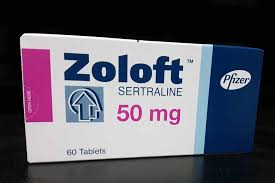
Zoloft (sertraline) — treatment for IBS

How does Zoloft (sertraline) help IBS?

selective serotonin reuptake inhibitor (SSRI)

Category: antidepressant

Efficacy: Research vs. Real Users

Research Evidence

31 / 100

Mixed

3 studies · 79054 participants

Score derived from PubMed research published in the past year.

Real User Reports

69 / 100

Moderate

33 posts

Self-reported results can be biased. Use as context, not proof.

How It Works

  • Administration Oral, Daily
  • Time to work 4–8 weeks
  • Adult dose target Adults with IBS and concurrent depression or anxiety may derive some benefit from sertraline, though evidence suggests atypical antidepressants like bupropion or trazodone may offer superior depression remission in this population.

Safety Profile

63

/ 100

Safety Score: Moderate

Higher scores indicate a more favorable safety profile.

Known Side Effects

  • annoying initial side effects that resolved with time
  • constipation
  • diarrhea
  • dry heaving
  • gas
  • increased bathroom frequency
  • increased bowel irregularity
  • nausea
  • near-syncope
  • nocturnal diarrhea incontinence
  • stomach issues
  • vertigo

Cautions

Generally considered safe during pregnancy

Not recommended for long-term use without supervision

Who Should Consider Zoloft (sertraline)?

  • Severity Moderate, severe
  • Effective areas gastrointestinal tract, abdomen, central nervous system
  • Category Non-steroid Prescription Medication

Lemma Health

Download the app — free.

Track your own Zoloft experiment and see whether it's actually helping — backed by your own data.

Frequently Asked Questions

Does Zoloft (sertraline) work for IBS?
Research gives Zoloft a score of 31/100 for IBS (Mixed), based on 3 studies. Real-user reports score it 69/100.
What are the side effects of Zoloft (sertraline)?
Commonly reported side effects include: annoying initial side effects that resolved with time, constipation, diarrhea, dry heaving, gas, increased bathroom frequency, increased bowel irregularity, nausea, near-syncope, nocturnal diarrhea incontinence, stomach issues, vertigo.
How long does Zoloft (sertraline) take to work?
Zoloft typically shows results in 4–8 weeks, though individual responses vary. Tracking your symptoms with a structured experiment can help you know sooner.
Is Zoloft (sertraline) safe for long-term use?
Zoloft is generally not recommended for long-term use without medical supervision.
How do you use Zoloft (sertraline)?
Zoloft is administered oral, Daily, at a target dose of Adults with IBS and concurrent depression or anxiety may derive some benefit from sertraline, though evidence suggests atypical antidepressants like bupropion or trazodone may offer superior depression remission in this population..
Is Zoloft (sertraline) safe during pregnancy or breastfeeding?
Zoloft is generally considered safe during pregnancy. Always confirm with your healthcare provider.

This page is for informational purposes only and does not constitute medical advice. Always consult a qualified healthcare professional before starting, stopping, or changing any treatment. Scores are derived from publicly available research and social media data and should not be used as a substitute for professional medical guidance.