Lemma Health
Personal Health Experiments

IBS Treatment Guide

Does Linzess (linaclotide) work for IBS?

Linzess (linaclotide) has a research efficacy score of 71/100 for IBS — rated Moderate across 10 studies. Real users on social media rate it 63/100. It typically takes 12 weeks to show results.

Research

71 / 100

10 studies

Social

63 / 100

64 posts

Safety

56 / 100

See if Linzess works for you — not just on average

Track daily, run your own experiment, get real data. Free.

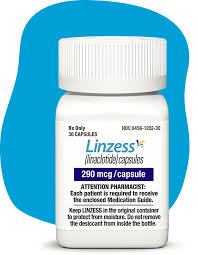
Linzess (linaclotide) — treatment for IBS

How does Linzess (linaclotide) help IBS?

guanylate cyclase-C agonist

Category: secretagogue

Efficacy: Research vs. Real Users

Research Evidence

71 / 100

Moderate

10 studies · 30695 participants

Score derived from PubMed research published in the past year.

Real User Reports

63 / 100

Moderate

64 posts

Self-reported results can be biased. Use as context, not proof.

How It Works

  • Administration Oral, Daily
  • Time to work 12 weeks
  • Adult dose target Adults with irritable bowel syndrome with constipation (IBS-C) experiencing abdominal pain, bloating, and constipation who can tolerate potential diarrhea as a side effect, particularly those who have not responded adequately to conventional treatments.

Safety Profile

56

/ 100

Safety Score: Moderate

Higher scores indicate a more favorable safety profile.

Known Side Effects

  • bloating
  • constant diarrhea
  • cramps
  • crazy stomach cramping
  • diarrhea
  • discomfort
  • early satiety
  • extreme diarrhea
  • gas
  • headaches
  • inconsistent efficacy
  • increased hunger
  • loose stools
  • loss of appetite
  • loss of effectiveness with continued use
  • nausea
  • pain
  • reduced urgency
  • severe diarrhea
  • severe gas pains
  • sticky and hard stools despite initial improvement
  • straining with bowel movements
  • tolerance
  • tolerance development over time
  • violent bowel movements
  • weight loss

Cautions

Not recommended during pregnancy

Not recommended for long-term use without supervision

Who Should Consider Linzess (linaclotide)?

  • Severity Mild, moderate, severe
  • Effective areas colon, small intestine, abdomen, gastrointestinal tract
  • Category Non-steroid Prescription Medication

Lemma Health

Download the app — free.

Track your own Linzess experiment and see whether it's actually helping — backed by your own data.

Frequently Asked Questions

Does Linzess (linaclotide) work for IBS?
Research gives Linzess a score of 71/100 for IBS (Moderate), based on 10 studies. Real-user reports score it 63/100.
What are the side effects of Linzess (linaclotide)?
Commonly reported side effects include: bloating, constant diarrhea, cramps, crazy stomach cramping, diarrhea, discomfort, early satiety, extreme diarrhea, gas, headaches, inconsistent efficacy, increased hunger, loose stools, loss of appetite, loss of effectiveness with continued use, nausea, pain, reduced urgency, severe diarrhea, severe gas pains, sticky and hard stools despite initial improvement, straining with bowel movements, tolerance, tolerance development over time, violent bowel movements, weight loss.
How long does Linzess (linaclotide) take to work?
Linzess typically shows results in 12 weeks, though individual responses vary. Tracking your symptoms with a structured experiment can help you know sooner.
Is Linzess (linaclotide) safe for long-term use?
Linzess is generally not recommended for long-term use without medical supervision.
How do you use Linzess (linaclotide)?
Linzess is administered oral, Daily, at a target dose of Adults with irritable bowel syndrome with constipation (IBS-C) experiencing abdominal pain, bloating, and constipation who can tolerate potential diarrhea as a side effect, particularly those who have not responded adequately to conventional treatments..
Is Linzess (linaclotide) safe during pregnancy or breastfeeding?
Linzess is not recommended during pregnancy. Always confirm with your healthcare provider.

This page is for informational purposes only and does not constitute medical advice. Always consult a qualified healthcare professional before starting, stopping, or changing any treatment. Scores are derived from publicly available research and social media data and should not be used as a substitute for professional medical guidance.