Lemma Health
Personal Health Experiments

anxiety Treatment Guide

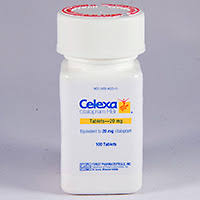
Does Celexa (citalopram) work for anxiety?

Here's what research and real users report about Celexa for anxiety.

Research

No data

Social

59 / 100

54 posts

Safety

37 / 100

See if Celexa works for you — not just on average

Track daily, run your own experiment, get real data. Free.

Celexa (citalopram) — treatment for anxiety

How does Celexa (citalopram) help anxiety?

Selective serotonin reuptake inhibitor (SSRI) that increases serotonin availability in the brain to reduce anxiety symptoms.

Efficacy: Research vs. Real Users

Real User Reports

59 / 100

Moderate

54 posts

Self-reported results can be biased. Use as context, not proof.

How It Works

  • Administration Oral, Daily
  • Time to work 1 week

Safety Profile

⚠ FDA Black Box Warning

This treatment carries an FDA black box warning — the most serious type of safety alert. Consult your doctor before use.

37

/ 100

Safety Score: Mixed

Higher scores indicate a more favorable safety profile.

Known Side Effects

  • addiction potential
  • anhedonia
  • anxiety upon waking
  • blurred vision
  • brain fog
  • brain zaps
  • chest pain
  • depersonalization
  • difficulty concentrating
  • dizziness
  • emotional blunting
  • excessive sweating
  • health anxiety about taking medication
  • heart racing sensation
  • heartburn
  • inability to leave apartment
  • increased anxiety
  • increased anxiety during initial treatment
  • ineffective
  • insomnia
  • irritability
  • loss of appetite
  • loss of orgasm
  • low libido
  • low sex drive
  • medication poop-out
  • nausea
  • numb hands
  • panic attacks
  • panic attacks when dose increased
  • severe panic attacks
  • shallow breathing
  • sleep anxiety
  • stomach problems
  • sweating
  • tingling
  • unfavorable subjective feeling
  • visual disturbances
  • withdrawal
  • worsened anxiety
  • worsened depression

Who Should Consider Celexa (citalopram)?

  • Severity Mild,moderate,severe
  • Category Non-steroid Prescription Medication

Lemma Health

Download the app — free.

Track your own Celexa experiment and see whether it's actually helping — backed by your own data.

Frequently Asked Questions

Does Celexa (citalopram) work for anxiety?
Clinical research data on Celexa for anxiety is currently limited. Individual results may vary.
What are the side effects of Celexa (citalopram)?
Commonly reported side effects include: addiction potential, anhedonia, anxiety upon waking, blurred vision, brain fog, brain zaps, chest pain, depersonalization, difficulty concentrating, dizziness, emotional blunting, excessive sweating, health anxiety about taking medication, heart racing sensation, heartburn, inability to leave apartment, increased anxiety, increased anxiety during initial treatment, ineffective, insomnia, irritability, loss of appetite, loss of orgasm, low libido, low sex drive, medication poop-out, nausea, numb hands, panic attacks, panic attacks when dose increased, severe panic attacks, shallow breathing, sleep anxiety, stomach problems, sweating, tingling, unfavorable subjective feeling, visual disturbances, withdrawal, worsened anxiety, worsened depression. This treatment also carries an FDA black box warning.
How long does Celexa (citalopram) take to work?
Celexa typically shows results in 1 week, though individual responses vary. Tracking your symptoms with a structured experiment can help you know sooner.
Is Celexa (citalopram) safe for long-term use?
Long-term safety data for Celexa is not available. Consult your healthcare provider.
How do you use Celexa (citalopram)?
Celexa is administered oral, Daily.

This page is for informational purposes only and does not constitute medical advice. Always consult a qualified healthcare professional before starting, stopping, or changing any treatment. Scores are derived from publicly available research and social media data and should not be used as a substitute for professional medical guidance.