Lemma Health
Personal Health Experiments

hypertension Treatment Guide

Does Norvasc (amlodipine) work for hypertension?

Norvasc (amlodipine) has a research efficacy score of 76/100 for hypertension — rated Strong across 46 studies. Real users on social media rate it 73/100. It typically takes 4–8 weeks to show results.

Research

76 / 100

46 studies

Social

73 / 100

357 posts

Safety

41 / 100

See if Norvasc works for you — not just on average

Track daily, run your own experiment, get real data. Free.

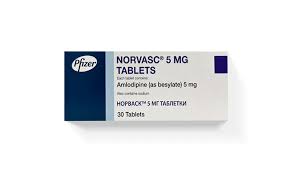
Norvasc (amlodipine) — treatment for hypertension

How does Norvasc (amlodipine) help hypertension?

L-type calcium channel blockade

Category: calcium channel blocker

Efficacy: Research vs. Real Users

Research Evidence

76 / 100

Strong

46 studies · 400236 participants

Score derived from PubMed research published in the past year.

Real User Reports

73 / 100

Moderate

357 posts

Self-reported results can be biased. Use as context, not proof.

How It Works

  • Administration Oral, Daily
  • Time to work 4–8 weeks
  • Adult dose target Adults with mild-to-severe hypertension, particularly those requiring combination therapy with ARBs or ACE inhibitors for optimal blood pressure control, stroke risk reduction, and cardiovascular event prevention, including high-risk patients with diabetes, renal dysfunction, or left ventricular hypertrophy.

Safety Profile

⚠ FDA Black Box Warning

This treatment carries an FDA black box warning — the most serious type of safety alert. Consult your doctor before use.

41

/ 100

Safety Score: Mixed

Higher scores indicate a more favorable safety profile.

Known Side Effects

  • abdominal pain
  • achiness
  • acid reflux
  • acid reflux exacerbation
  • anal fissure
  • ankle edema
  • ankle pain
  • ankle swelling
  • ankle swelling with slight tightness
  • anxiety
  • anxiety attacks
  • arm weakness
  • back pain
  • bladder side effects
  • bladder urgency
  • bleeding gums
  • bloating
  • blocked nose
  • blood in stool
  • blood pooling
  • blurred vision
  • blurry vision
  • blurry vision at higher doses
  • body aches
  • body tingling
  • bone aches
  • bowel movement stopped
  • brain fog
  • breakthrough pain
  • broken capillaries in feet
  • bruising
  • burning knees
  • burning or buzzing in ovaries and stomach
  • burst capillaries
  • calf pain
  • chest discomfort
  • chest fluttering
  • chest heaviness
  • chest pain
  • chest pains
  • chest tightness
  • cognitive impairment
  • collarbone pain
  • constant fatigue
  • constipation
  • crying
  • crying easily
  • debilitating anxiety
  • decreased appetite
  • decreased lung capacity
  • decreased mood
  • deep depression
  • dental deterioration
  • depression
  • diastolic hypotension
  • difficulty sleeping
  • difficulty swallowing
  • difficulty

Cautions

Generally considered safe during pregnancy

Considered safe for long-term use

Who Should Consider Norvasc (amlodipine)?

  • Severity Mild, moderate, severe
  • Effective areas cardiovascular system, blood vessels, heart, cerebrovascular system
  • Category Non-steroid Prescription Medication

Lemma Health

Download the app — free.

Track your own Norvasc experiment and see whether it's actually helping — backed by your own data.

Frequently Asked Questions

Does Norvasc (amlodipine) work for hypertension?
Research gives Norvasc a score of 76/100 for hypertension (Strong), based on 46 studies. Real-user reports score it 73/100.
What are the side effects of Norvasc (amlodipine)?
Commonly reported side effects include: abdominal pain, achiness, acid reflux, acid reflux exacerbation, anal fissure, ankle edema, ankle pain, ankle swelling, ankle swelling with slight tightness, anxiety, anxiety attacks, arm weakness, back pain, bladder side effects, bladder urgency, bleeding gums, bloating, blocked nose, blood in stool, blood pooling, blurred vision, blurry vision, blurry vision at higher doses, body aches, body tingling, bone aches, bowel movement stopped, brain fog, breakthrough pain, broken capillaries in feet, bruising, burning knees, burning or buzzing in ovaries and stomach, burst capillaries, calf pain, chest discomfort, chest fluttering, chest heaviness, chest pain, chest pains, chest tightness, cognitive impairment, collarbone pain, constant fatigue, constipation, crying, crying easily, debilitating anxiety, decreased appetite, decreased lung capacity, decreased mood, deep depression, dental deterioration, depression, diastolic hypotension, difficulty sleeping, difficulty swallowing, difficulty. This treatment also carries an FDA black box warning.
How long does Norvasc (amlodipine) take to work?
Norvasc typically shows results in 4–8 weeks, though individual responses vary. Tracking your symptoms with a structured experiment can help you know sooner.
Is Norvasc (amlodipine) safe for long-term use?
Norvasc is considered safe for long-term use. Always confirm with your physician.
How do you use Norvasc (amlodipine)?
Norvasc is administered oral, Daily, at a target dose of Adults with mild-to-severe hypertension, particularly those requiring combination therapy with ARBs or ACE inhibitors for optimal blood pressure control, stroke risk reduction, and cardiovascular event prevention, including high-risk patients with diabetes, renal dysfunction, or left ventricular hypertrophy..
Is Norvasc (amlodipine) safe during pregnancy or breastfeeding?
Norvasc is generally considered safe during pregnancy. Always confirm with your healthcare provider.

This page is for informational purposes only and does not constitute medical advice. Always consult a qualified healthcare professional before starting, stopping, or changing any treatment. Scores are derived from publicly available research and social media data and should not be used as a substitute for professional medical guidance.